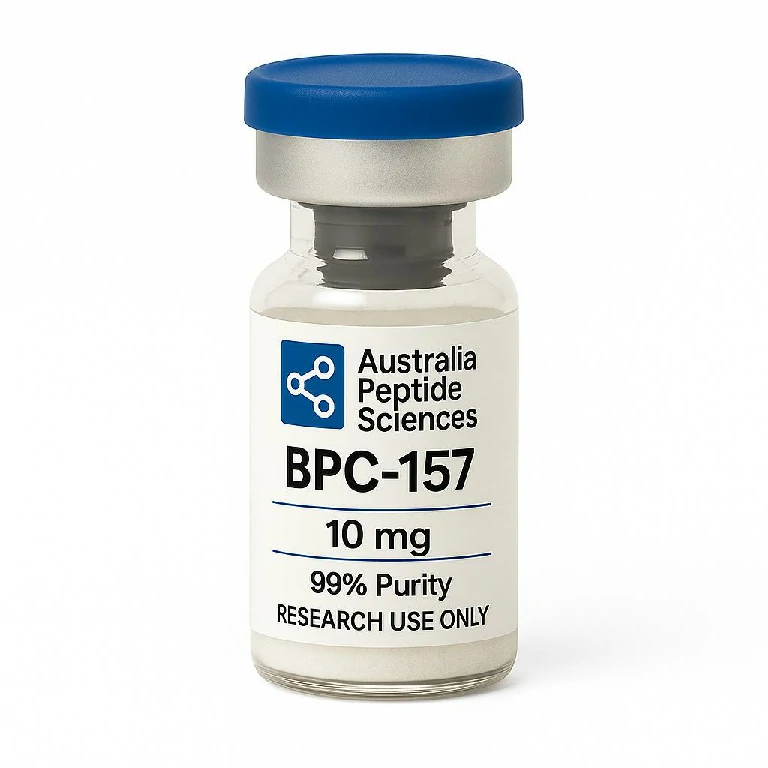
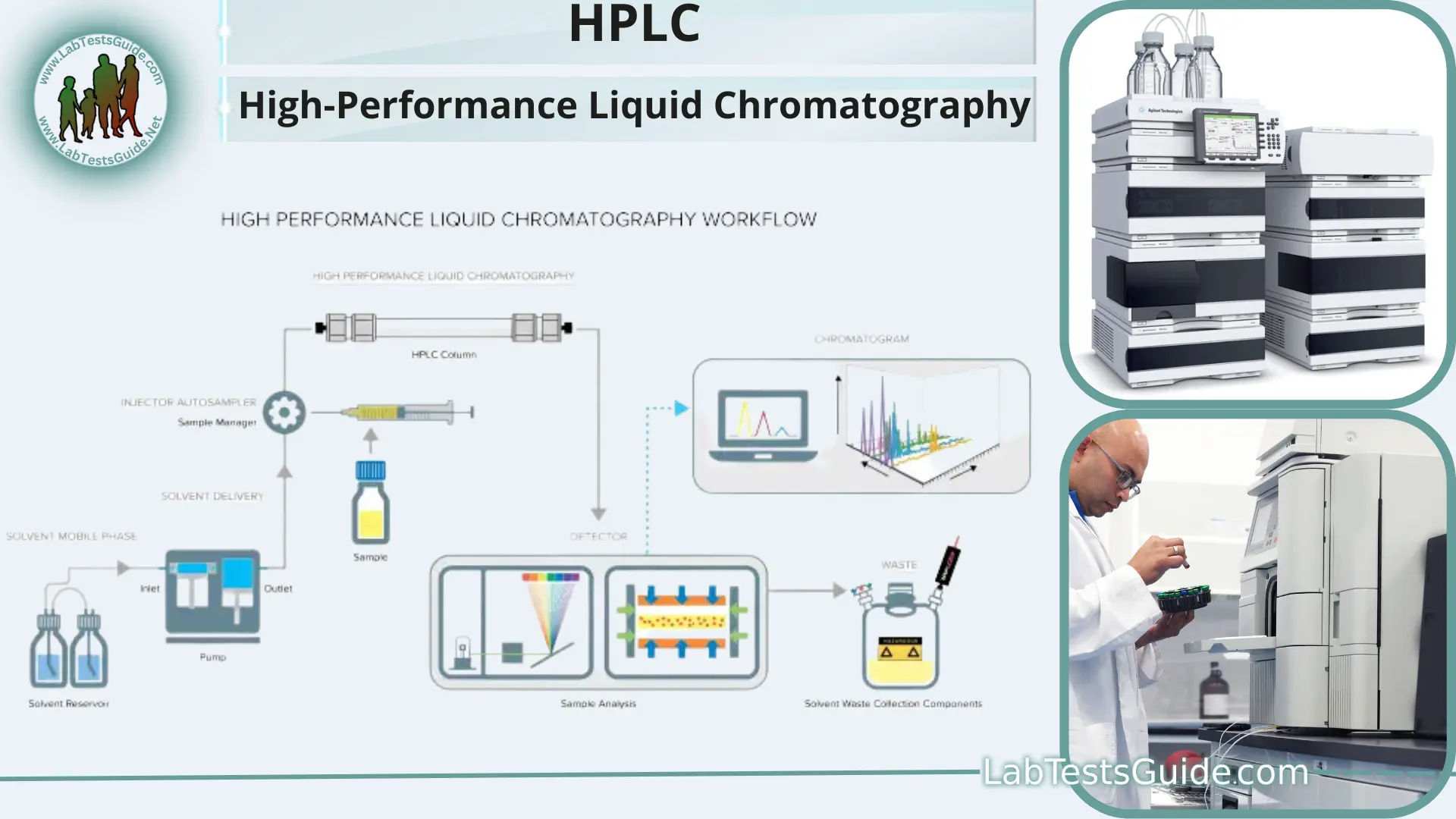
Rp-hplc Peptide Purity Evaluation HPLC recognition of purity is essential for peptide validation and dependable speculative end results. For peptide purity testing, reverse-phase HPLC is the conventional conceptual version. The chromatographic pureness is after that determined by comparing the area under the major peak with the complete location under all incorporated heights. Dose confirmation study for formulation examples is a substantial part of any kind of engaging GLP research study and is required by the United States Food and Drug Administration (USFDA) for solutions dosed in toxicology researches. We supply top quality, preclinical dosage formula analysis for GLP and Go to this website non-GLP studies to ensure your research study begins on the appropriate course. NorthEast Biolab (NEBA) has significant experience in all elements of dose solution evaluation. High-performance liquid chromatography (HPLC) evaluation is an analytical strategy used to divide, recognize, and quantify elements in a mix [1] In HPLC, a liquid sample (e.g. a peptide solution) is injected right into a high-pressure circulation of solvent with a column. Various substances elute at various times based on their interactions with the column, and a detector creates a chromatogram (heights of signal over time) representing each part [1] HPLC is extensively utilized to validate the pureness and make-up of peptide examples due to its high fixing power and precision. Including HPLC analysis right into peptide recognition hence supports reproducible and credible study. HPLC approach development shows that the industrialized chromatography method appropriates for its designated usage in the development and production of pharmaceutical drug components and drug items. The development of the logical method shows that the established logical method is suitable for its recommended use for the quantitative assessment of the targeted analyte present in restorative medicines. And it typically plays an essential part in the development and making of pharmaceutical medications. High-Performance Liquid Chromatography continues to be the gold standard for peptide pureness analysis since it separates substances based on their chemical homes with extraordinary precision. The resulting chromatogram screens comes to a head representing various compounds in the example.
- As a seasoned CDMO, we offer accessibility to innovative logical devices, expert technique development, and assistance through the regulative labyrinth.Met One Bit Counter version 237A is made use of to determine the fragment counts in the laboratory.High-Performance Liquid Chromatography (HPLC) is a technique used to separate and determine the purity of compounds in a mixture.A detector determines each element as it departures the column, producing a chromatogram-- a visual representation of the sample's make-up.
Much More Exact Slope Separation
By verifying molecular structure and purity, we aid researchers maintain reproducibility and follow regulatory standards. Our logical solutions give confidence in every peptide batch, lowering speculative threat and sustaining both preclinical and medical applications where accuracy is vital for success. It is considered the gold-standard method for analyzing just how much of a sample is the preferred peptide versus impurities [2] For instance, a peptide at 95% pureness still contains ~ 5% by-products that could interfere with sensitive experiments if undetected [2] By utilizing HPLC to make certain a peptide is, claim, 98-- 99% pure, researchers considerably decrease the risk of such confounding variables. For peptides, pollutant assumptions adhere to a risk-based FDA technique, instead of the small-molecule thresholds in ICH Q3A/Q3B (which omit peptides). Peptide-related contaminations present at low-percent degrees (e.g., around 0.1% and above) usually call for characterization, and higher-level or new contaminations may require boosted validation due to prospective immunogenicity concerns. FDA advice and ICH Q2( R1) help specify demands for analytical approach recognition and contamination analysis for peptide medicine items. Pharma business wanting to establish peptide-based drugs require a strong QC testing program. This is very important because it permits them to satisfy regulatory expectations and get approval for peptide drugs.What Are The Major Elements Of Hplc Method Validation?
Just how much does peptide HPLC screening expense?
The price of peptide evaluation service varies significantly based upon which methods your regulatory bundle requires: HPLC-UV Analysis: $& #x 24; 300 & #x 2013; & #x 24; 800 per sample (common purity assessment) LC-MS (Fluid Chromatography-Mass Spectrometry): $& #x 24; 600 & #x 2013; & #x 24; 1,500 per sample website (molecular weight verification).