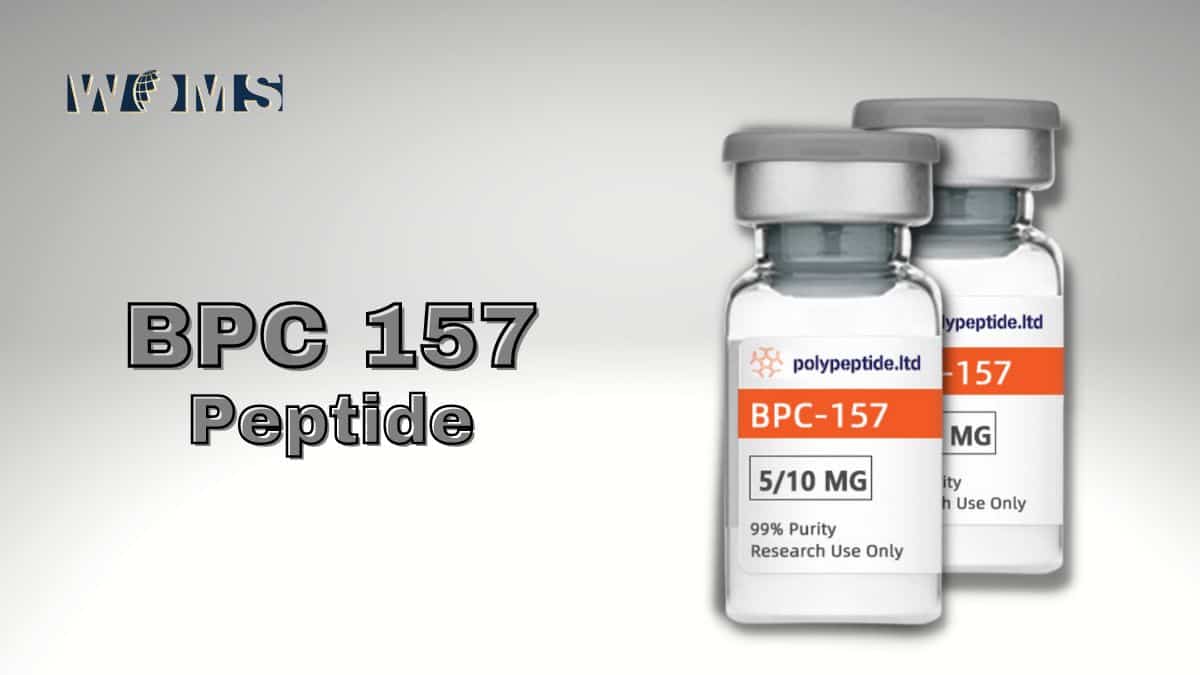
Peptide Vial Research Study: The Full Guide To Taking Care Of, Keeping, And Making Use Of Research Peptides Sulfotyrosine-containing peptides may lose their task due to the desulfation. The trick is acknowledging that peptides are living molecules that respond to their environment. Temperature modifications, pH changes, light exposure, and oxygen can all activate deterioration pathways that compromise your speculative results. Peptides are powerful research study devices that can open new explorations in your lab.
Peptides As Lyophilized Solids
A discrepancy from the expectedpeptide focus of the internal requirement throughout routine AAA analysis couldindicate either a trouble with peptide hydrolysis or with accuracy of amino acidsmeasurement, or both. Moisture-sensitive peptides easily soak up water from the environment, particularly if kept in inadequately sealed containers. Water reactivates hydrolytic paths and promotes chemical instability. A research study on freeze-dried flu antigens showed that wetness ingress caused significant loss in biological activity also under moderate thermal stress [3] Because of this, impermeable peptide vials should constantly be used, and peptide handling ought to occur in low-humidity settings. However it has to be done GHK-Cu very carefully and with the right precautions. Unopened, unpunctured peptide vials can typically be stored at area temperature level for a minimal time, relying on the specific peptide. However, for long-term storage, many peptides must be cooled in between 36 ° F to 46 ° F( 2 ° C to 8 ° C). Once it's time to utilize the peptide, reconstitution is done to recover the peptide to a functional service Including desiccants and making sure rubber stoppers are oven-dried or appropriately kinky can significantly decrease the danger of moisture-related peptide destruction [3,5] When peptides show up, especially by mail, their packaging conditions need to be analyzed right follow this link away. Also if the shipment is unrefrigerated, most lyophilized peptides can endure quick exposures to ambient problems. Nonetheless, upon receipt, store the sealed vial in a-- 20 ° C or-- 80 ° C fridge freezer until usage
For multi-dose vials, sterilized water simply doesn't function.Peptides containing 50% and more hydrophobic or nonpolar residues as above might be insoluble or only partly soluble in liquid solutions.Nonetheless, freeze-thaw cycles damage peptides via ice crystal development.Promptly after each use, down payment the syringe directly right into the container.A vial loading machine is a pharmaceutical product packaging equipment made to automatically fill glass vials with liquid or powder products under sterilized conditions.
With over 25 years of knowledge, XUEFILL is a professional fluid filling up machine maker serving manufacturing facilities worldwide. Get in touch with us for reliable filling up makers and packaging options. Consequently, both the time and temperature required to achieve completehydrolysis might be peptide-specific. A comparison of the peptide concentrations derived fromeach amino acid kept track of can be a valuable means to identify troubles with hydrolysiscompleteness. Sadly, the quality and consistency of peptides obtained fromcommercial sources differ extensively.
What negates peptides?
Salicylic acid''s exfoliating activity may destabilize the peptides, reducing their skin-repairing advantages. Suggestion: To stay clear of any communication, usage salicylic acid and peptide products at different times. For example, incorporate salicylic acid in your early morning routine and peptides in your night regimen.
According to Verified Peptides, using closed, inert-gas-flushed glass or dark containers with desiccants considerably alleviates moisture and oxidative dangers. The service life of peptide powder depends on the storage problems. As a whole, lyophilized peptide powder can be saved at -20 ° C for about 1 year and at -80 ° C for about 3 years. Nevertheless, when it comes to some certain peptides (methionine or cysteine), their security may be subject to chemical reactions like oxidation. Methionine-based peptides, as an example, may oxidize a lot more in one month of area temperature storage. When long-term solution storage space is needed, several techniques aid. Some peptides take advantage of added proteins that stop surface adsorption and gathering. Bovine serum albumin (BSA) at low focus shields particular peptides from sticking to glass vial wall surfaces and syringe surface areas. Acidic peptides might need somewhat standard reconstitution tool to totally liquify.
Bacteriostatic Mixing Water 10ml
Regardless of the above-mentioned considerations, peptide choice is an empirical exercise that stabilizes perfect characteristics withpractical restrictions. In many cases, due to the series of the healthy protein ofinterest, it may be inevitable to include peptides that do not satisfy all of theserecommended standards. Consequently these standards are just implied to be standards forpeptide choice, and some relaxation of the inclusion standards may be essential todevelop the MRM assay. As an example, it might be impossible to omit all cysteine andmethionine residues. Peptide analytes can be picked using MS-based proteomic information or predictionalgorithms (14-22). What functions substantially for one scientist might create subtle results for another. Physical variation isn't a peptide taking care of problem, yet it can masquerade as one. Computation mistakes can generate similar noticeable failures. If your mathematics is incorrect and you're in fact dosing at half the intended degree, outcomes will dissatisfy regardless of peptide top quality. A peptide that's shed 50% of its strength could show up identical to fresh material while providing half the expected impact. Often the peptide looks fine but does not generate predicted results.